Black River Font Evaluation
In the vast landscape of digital typography, selecting the right typeface is a critical decision that defines the visual identity of a project. Designers often seek fonts that offer a distinct personality while maintaining technical reliability. Black River has emerged as a notable option for those seeking a cool and vintage styled display font. This evaluation explores the characteristics of Black River, its technical specifications, and how it fits into various design contexts.
Understanding the Black River Typeface
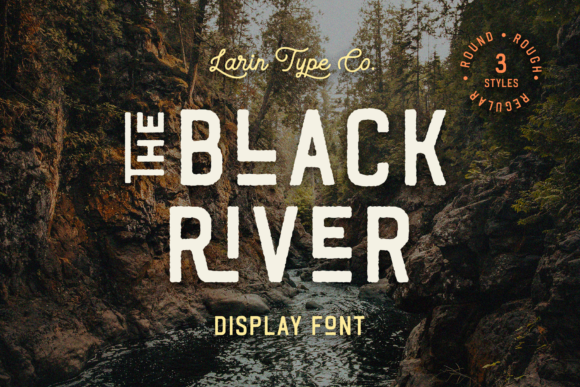
Black River is fundamentally a display font, meaning it is designed to be used at larger sizes rather than for extended body text. Its aesthetic is rooted in a vintage style, evoking the feel of early 20th-century signage, classic movie posters, or retro packaging. The "cool" factor mentioned in its description stems from its unique character shapes and the specific way it handles contrast and stroke weight.
Unlike standard serif or sans-serif families that prioritize neutrality, Black River makes a statement. It is engineered to grab attention immediately. When integrated into a layout, it serves as a focal point, capable of setting a nostalgic tone without requiring complex graphic elements. The design language suggests a deliberate departure from modern minimalism, offering instead a texture-rich alternative that feels hand-crafted yet professionally rendered.
Technical Accessibility and PUA Encoding
One of the most significant practical advantages of Black River lies in its technical architecture. The font utilizes Private Use Area (PUA) encoding. To understand why this matters, one must look at how standard fonts handle special characters. Typically, access to alternate glyphs, swashes, ligatures, and stylistic alternates requires either a large OpenType feature set or manual substitution within software like Adobe Illustrator or InDesign.
With PUA encoding, Black River places these additional glyphs in the Unicode Private Use Area. This approach offers a streamlined workflow for designers who want to access all available variations without navigating complex menu systems. You can access all of the glyphs and swashes with ease by simply typing the corresponding characters mapped to those private slots. This direct mapping allows for rapid experimentation with different letterforms.
The implication for the user is efficiency. Instead of hunting through a "Stylistic Sets" panel to find a specific swash or an alternate 'Q', the designer can select the character directly. This accessibility ensures that the full potential of the font's design is realized quickly, reducing the friction between concept and execution.
Reasons to Consider Black River
There are several compelling reasons to include Black River in a design toolkit. First, the vintage aesthetic is timeless in certain industries. Brands in the craft beverage sector, artisanal food products, and independent film production often rely on this specific visual language to convey authenticity and heritage.
- Versatile Stylistic Range: The inclusion of numerous swashes and alternates allows for high customization. A single word can look completely different depending on which glyph variant is selected, enabling fine-tuned typographic hierarchy.
- Cohesive Branding: Because the font is a display typeface, it creates a strong brand voice. Using Black River consistently across headers, logos, and marketing materials can establish a recognizable visual identity that stands out against generic corporate fonts.
- Ease of Use: As noted, the PUA encoding simplifies the process of using decorative elements. This is particularly beneficial for designers who may not be experts in advanced typographic features but still wish to produce high-end results.
Benefits and Tradeoffs
While Black River offers distinct advantages, every typeface comes with tradeoffs that must be weighed during the selection process. The primary benefit is its ability to evoke emotion instantly. However, this strength is also its limitation regarding versatility.
Legibility Constraints: Like many display fonts with heavy styling, Black River is not suitable for long-form reading. The intricate details and vintage flourishes can reduce legibility at small sizes or when viewed on low-resolution screens. Users should expect to use this font strictly for headlines, titles, short quotes, or accent text.
Compatibility Challenges: While PUA encoding offers ease of access within professional design software, it can sometimes present challenges in web environments or older file formats. If the font is not embedded correctly or if the receiving system does not recognize the PUA mappings, the intended swashes might revert to default characters or appear as boxes. Designers must ensure proper font embedding protocols are followed for web projects.
Overuse Risk: The "cool" and vintage nature of the font can lead to overuse. Because it is so expressive, it can dominate a layout if paired incorrectly. The goal is to let the font shine without overwhelming the content. Balance is key; pairing Black River with a clean, neutral sans-serif for body text is often the most effective strategy.
Situations Where Black River Is a Strong Fit
Determining whether Black River aligns with your goals requires looking at the specific application. This font excels in scenarios where atmosphere is more important than information density.
- Event Marketing: Posters for music festivals, vintage-themed parties, or theater productions benefit greatly from the dramatic flair of Black River.
- Product Packaging: For items like coffee bags, craft beer labels, or specialty foods, the vintage style suggests quality and tradition. The swashes add a touch of elegance that elevates the perceived value of the product.
- Editorial Headlines: Magazine covers or blog post headers that aim for a retro editorial look can utilize Black River to create a striking first impression.
- Logo Design: For businesses wanting to signal a connection to history or craftsmanship, this font provides a solid foundation for logo construction.
When to Consider Alternatives
Despite its strengths, there are situations where Black River may not be the optimal choice. If the project requires a modern, tech-forward, or minimalist aesthetic, this vintage style will likely clash with the desired message. Similarly, if the design needs to support multiple languages beyond the Latin alphabet, the availability of glyphs for other scripts must be verified, as display fonts often have limited language support.
For projects requiring extensive body copy or UI elements, alternatives such as robust serif or sans-serif families with extensive OpenType features would be more appropriate. Additionally, if the target audience includes users with visual impairments, the high contrast and decorative nature of Black River might hinder readability, making a simpler typeface a more inclusive choice.
Practical Decision-Making Insights
To decide if Black River is the right tool for your next project, start by defining the emotional response you want to elicit. Do you want the viewer to feel nostalgia, excitement, or a sense of premium quality? If the answer is yes, then Black River is a strong candidate. Add it confidently to your projects, and you will love the results, provided you respect its limitations.
Test the font in context before committing. Create mockups that include both the headline and the supporting body text. Evaluate how the swashes interact with the surrounding elements. Ensure that the PUA characters render correctly in your final output format. By approaching the selection with a critical eye and a clear understanding of the font's capabilities, designers can leverage Black River to create impactful, memorable designs that stand the test of time.
Ultimately, typography is about communication. Black River communicates a specific story—one of history, style, and character. Whether that story matches your project's narrative is the only metric that truly matters.