Thumb: The Bold, Friendly Typeface for Modern Creatives
In a digital landscape saturated with sterile, minimalist sans-serifs and overly ornate script fonts, Thumb stands out as a breath of fresh air. It is not just another typeface; it is a statement piece that brings immediate personality to any project. Described as simple, thick, and undeniably trendy, this display font captures the essence of playful modernity without sacrificing legibility. Whether you are designing a logo for a startup, creating a book cover for a children's series, or crafting social media graphics that need to stop the scroll, Thumb offers a unique visual voice.
The appeal of Thumb lies in its approachable yet robust character. It avoids the rigidity often found in traditional serif fonts while steering clear of the chaotic unpredictability of many handwritten styles. Instead, it strikes a perfect balance between structure and whimsy. This makes it an ideal choice for creators who want their work to feel professional but warm, authoritative but fun. For entrepreneurs and small business owners looking to establish a distinct brand identity, this font provides a solid foundation for recognition.
Understanding the Visual Personality of Thumb
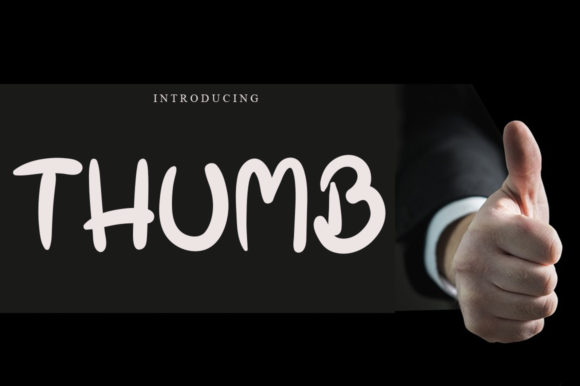
When designers speak about the "personality" of a typeface, they are referring to the emotional response the letters evoke. Thumb is thick and rounded, features that immediately signal friendliness and accessibility. Unlike a sharp, angular geometric sans-serif which might convey cold efficiency, or a delicate script that suggests elegance, Thumb feels tactile. It has weight. It feels like something you could touch, almost like a soft toy or a chunky building block.
This visual weight is what makes it such a powerful tool for headlines and titles. In editorial design, where space is at a premium, a font like Thumb commands attention without needing excessive sizing. Its bold strokes ensure that even when scaled down for mobile screens, the text remains readable and impactful. However, don't mistake its thickness for clumsiness. The curves are smooth, and the spacing is deliberate, giving it a polished look that fits well within modern typography standards.
It is important to note that while Thumb is a display font, it does not try to be everything. It is not designed to carry long paragraphs of body text. That is where smart font pairing comes into play. Its strength lies in its ability to act as the anchor—the headline, the hero text, or the primary branding element. When used correctly, it transforms a flat layout into a dynamic composition that invites the viewer in.
Ideally Suited for Diverse Creative Applications
The versatility of Thumb extends across a wide spectrum of industries. Because it bridges the gap between the playful and the professional, it finds a home in projects that range from commercial packaging to personal hobbyist crafts. Here is how different professionals can leverage this creative font:
- Children's Content and Education: The rounded, friendly nature of the letters makes it a natural fit for cartoon-related designs, educational materials, and game interfaces. It speaks the language of childhood without feeling childish, making it perfect for kids' apps or storybooks.
- Brand Identity and Logo Design: For startups and lifestyle brands, Thumb offers a memorable mark. Its simplicity allows it to scale well on everything from business cards to large-scale billboards. A brand name set in this typeface instantly communicates approachability and confidence.
- Packaging and Product Labels: In a crowded retail environment, shelf presence is everything. The thick strokes of Thumb create high contrast against background colors, ensuring your product jumps off the shelf. It works exceptionally well for artisanal food labels, craft beer bottles, or eco-friendly product lines.
- Digital Marketing and Social Media: Content creators know that engagement depends on stopping the user. Using Thumb for quotes, promotional banners, or event posters creates a visual hierarchy that guides the eye. It adds a "touch of beauty" and trendiness that aligns perfectly with current aesthetic movements.
- Book Covers and Editorial Projects: Publishers looking to stand out in fiction or non-fiction genres can use Thumb to set a specific tone. Whether it's a humorous memoir or a quirky self-help guide, the font sets the mood before the reader even opens the page.
Strategic Considerations for Implementation
Choosing a premium font is only the first step; integrating it effectively requires a strategic mindset. When evaluating Thumb for your next project, consider the role it plays in your overall visual communication strategy. One of the most common mistakes designers make is overusing display fonts. While Thumb is versatile, using it for every line of text can dilute its impact and reduce readability.
To maximize the effectiveness of this typeface, focus on font pairing. Since Thumb is a heavy display font, it pairs beautifully with lighter, cleaner typefaces for body copy. A neutral sans-serif font or a classic serif font can provide the necessary contrast to let Thumb shine as the headline. This combination ensures that your design maintains a strong visual hierarchy while remaining easy to read for extended periods.
Before purchasing or downloading the font files, take time to review the included styles. Does the family offer a full range of weights? Are there ligatures or special characters that support international languages? For commercial projects, understanding the licensing terms is crucial. Ensure that the license covers your intended use, whether it is for web design, print media, or merchandise. A commercial font license protects both the designer and the client from legal issues down the road.
Elevating Brand Perception Through Typography
Typography is more than just text; it is a key component of brand perception. The right typeface can influence how an audience perceives your professionalism, reliability, and creativity. By selecting Thumb, you are signaling that your brand is confident enough to be bold yet humble enough to be approachable. This psychological cue is subtle but powerful.
Inconsistent typography can confuse audiences and erode trust. Using a cohesive set of design assets, including a primary font like Thumb, helps build consistency across all touchpoints. From your website headers to your email newsletters, maintaining this visual thread reinforces brand recognition. When users see that distinctive thick, friendly lettering, they begin to associate those traits with your products or services.
Furthermore, consider the context of your audience. If you are targeting adults aged 20–50 who value authenticity and style, Thumb resonates well. It avoids the dated look of overly decorative fonts while staying far away from the generic corporate look. It feels contemporary and relevant, fitting seamlessly into modern design trends without chasing fleeting fads.
Ultimately, the success of any design project relies on the harmony between form and function. Thumb excels in this regard by offering a form that is visually striking while maintaining the functional integrity required for effective communication. Whether you are a seasoned graphic designer refining a brand identity or a small business owner launching a new product line, this font provides the tools you need to create something beautiful and impactful.
By thoughtfully applying this typeface to your titles, logos, and marketing materials, you can elevate your content from ordinary to extraordinary. It is a reminder that sometimes the simplest choices yield the most profound results. Embrace the boldness of Thumb, pair it wisely, and watch your designs come alive with energy and character.