Poligon: A Bold Statement for Modern Design Projects
In a visual landscape saturated with generic sans-serifs and overly decorative typefaces, finding a font that commands attention without sacrificing readability is a significant challenge. Poligon emerges as a compelling solution for designers who need to balance assertiveness with simplicity. This display typeface is not merely another addition to the library of available fonts; it represents a specific design philosophy where strong, geometric forms meet functional utility.
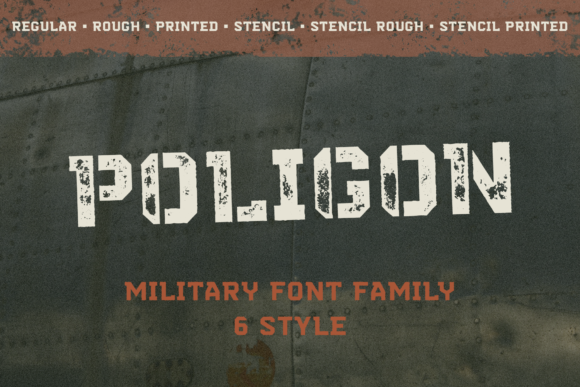
The core identity of Poligon lies in its ability to be both bold and unpretentious. Its letterforms are constructed with a sense of architectural precision, utilizing sharp angles and clean lines that evoke stability and confidence. Unlike many display fonts that rely on intricate details or stylistic flourishes to stand out, Poligon achieves impact through weight and structure. This makes it an ideal candidate for projects where the message must be delivered quickly and clearly, yet with a distinct personality that separates the brand from the competition.
Defining the Character of Poligon
To understand the practical value of this typeface, one must first analyze its structural characteristics. The name itself suggests a connection to geometry, and this is evident in the way the letters are built. The strokes are uniform in thickness, creating a solid presence that feels grounded. The terminals are often cut at precise angles rather than rounded, which contributes to the font's modern, industrial aesthetic.
This geometric approach does not result in a cold or sterile appearance. Instead, the slight variations in stroke width and the open counters within the characters maintain legibility even at smaller sizes or when viewed from a distance. The font strikes a delicate balance between the rigidity of technical drawing and the fluidity required for effective communication. It is a typeface that speaks with authority, making it particularly suitable for headlines, titles, and key messaging points.
Furthermore, the versatility of Poligon extends beyond its visual style. While it is classified as a display font, its internal logic allows it to function well in contexts that require a mix of formal and informal tones. A logo designer might use it to convey strength, while a social media manager could employ it to create engaging, shareable graphics that stop the scroll. The font's inherent simplicity means it does not fight for attention against imagery; rather, it supports the visual hierarchy, ensuring that the text remains the anchor of the composition.
Strengths in Professional Applications
For professionals ranging from entrepreneurs to educators, the choice of typography can significantly influence how a project is perceived. Poligon offers several distinct advantages that make it a valuable asset in a wide range of workflows.
- Immediate Impact: The bold nature of the font ensures that headlines grab the viewer's eye immediately. In digital environments where attention spans are short, this characteristic is crucial for conveying the main point before the user moves on.
- Cross-Platform Consistency: Because the letterforms are based on simple geometric shapes, Poligon renders consistently across different devices and screen resolutions. Whether viewed on a high-resolution desktop monitor or a mobile phone, the integrity of the design remains intact.
- Brand Differentiation: Many brands struggle to find a voice that stands out without being loud. Poligon provides a middle ground, offering a distinctive look that feels contemporary and confident without resorting to gimmicks.
- Formal and Informal Flexibility: One of the most impressive aspects of this typeface is its adaptability. It can be used in corporate presentations to denote professionalism, yet it works equally well in blog posts or event flyers where a more relaxed, approachable tone is desired.
When evaluating the quality of a font, consistency is paramount. Poligon demonstrates a high level of craftsmanship in its kerning and spacing. The relationship between letters is carefully calibrated to ensure that words feel cohesive rather than disjointed. This attention to detail reduces the cognitive load on the reader, allowing them to focus on the content rather than struggling with awkward gaps or collisions between characters.
Practical Use Cases and Real-World Performance
The true test of any typeface is how it performs in real-world scenarios. Based on observations of its application in various design contexts, Poligon proves to be a robust tool for creators who need reliability. Let us examine how it functions in specific situations.
In the realm of branding and identity design, Poligon excels at establishing a strong visual foundation. For small business owners launching a new product or service, the font can serve as the cornerstone of their visual identity. Its assertive nature helps build trust and credibility, signaling to potential customers that the business is established and serious about its offerings. When paired with minimalist imagery, the font allows the brand message to take center stage.
For marketers and content creators, the font's ability to generate engagement is noteworthy. In email marketing campaigns or social media advertisements, the contrast created by Poligon against lighter body text creates a clear visual hierarchy. This guides the reader's eye naturally toward the call-to-action or the most important information. The font's clarity ensures that the message is understood instantly, reducing the friction that often leads to users abandoning a piece of content.
Educators and publishers also find value in Poligon, particularly when designing course materials, educational posters, or book covers. The straightforward design of the letters aids in comprehension, making complex topics appear more accessible. The font's neutral yet strong character prevents the material from feeling too playful or too rigid, striking a balance that is conducive to learning.
However, like any tool, Poligon has limitations that designers should consider. It is primarily a display font, meaning it is best suited for headlines, titles, and short phrases. Using it for long-form body text can lead to fatigue, as the heavy weight and geometric strictness may become overwhelming over extended reading sessions. Additionally, because of its strong personality, it may not be appropriate for every context. For example, in designs requiring a delicate, elegant, or highly traditional feel, Poligon might feel too aggressive or modern.
Integration into Existing Workflows
Integrating a new font into a professional workflow requires consideration of compatibility and ease of use. Poligon is designed to be user-friendly, fitting seamlessly into standard design software and web development environments. Its file formats are typically optimized for both print and digital use, ensuring that the output looks crisp whether printed on paper or displayed on a website.
For freelancers and agencies managing multiple clients, the versatility of Poligon is a significant time-saver. Instead of searching for different fonts for different projects, a designer can rely on Poligon to provide a consistent, high-quality look across diverse assignments. This consistency can streamline the design process, allowing the creator to focus more on strategy and less on finding the right typographic solution.
When considering the long-term value of a font investment, durability of style is a key factor. Trends in typography change rapidly, but the fundamental principles of good design—clarity, balance, and purpose—remain constant. Poligon is built on these timeless principles, suggesting that it will remain relevant and effective for years to come. It avoids the pitfalls of fleeting fads, offering a style that feels contemporary today and will likely continue to do so in the future.
Making the Decision: Is Poligon Right for You?
Ultimately, the decision to adopt Poligon depends on the specific needs and goals of your project. If you are looking for a font that can handle heavy lifting in terms of visual impact while maintaining readability and professionalism, Poligon is a strong contender. It is particularly well-suited for those who want to communicate strength, innovation, and clarity.
For professionals who value efficiency and effectiveness, the font offers a reliable solution that delivers results without unnecessary complexity. Whether you are building a brand, creating marketing materials, or designing educational content, Poligon provides the structural support needed to elevate your work. By choosing a typeface that balances boldness with simplicity, you ensure that your message is not only seen but remembered.
As you evaluate your options, consider the tone you wish to convey and the audience you are trying to reach. Poligon is not a one-size-fits-all solution, but for the right project, it can be the perfect tool to bring your vision to life. Its ability to bridge the gap between formal and informal, technical and creative, makes it a versatile addition to any designer's toolkit. In a world where visual communication is increasingly competitive, having a font that stands up to scrutiny and delivers with confidence is an invaluable asset.