Barlock Font Review: A Bold, Vintage Display Type for Modern Projects
In the crowded landscape of digital design and print media, selecting the right typography is often the difference between a project that feels generic and one that commands attention. Barlock has emerged as a distinct option for designers seeking a specific aesthetic: bold, thick, and undeniably vintage. Unlike many modern sans-serifs that prioritize minimalism or geometric perfection, Barlock offers a character that is down-to-earth, incredibly cool, and highly readable even at larger scales. This review explores what makes this font unique, how it fits into various design categories, and when it serves as the optimal choice compared to other display typefaces.
Understanding the Distinctive Character of Barlock
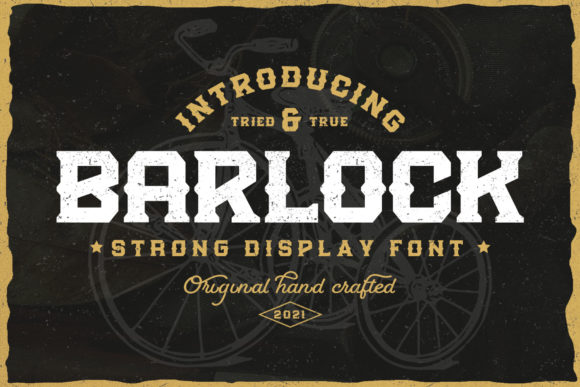
At its core, Barlock is defined by its substantial weight and retro-inspired structure. It is not merely a heavy font; it is a display typeface designed to make a statement without sacrificing legibility. The "bold and thick" nature of the letterforms provides a visual anchor that works exceptionally well in headlines, posters, and branding materials where immediate impact is required. The vintage styling evokes a sense of nostalgia, reminiscent of early 20th-century advertising or classic signage, yet it avoids the cluttered feel that often plagues overly ornamental fonts.
What sets Barlock apart from similar options is its balance between attitude and utility. Many display fonts sacrifice readability for style, resulting in text that looks impressive but is difficult to scan. Barlock, however, maintains a clean structure that ensures the message remains clear. This combination of being readable and down to earth allows it to bridge the gap between high-impact graphics and functional communication. When you apply Barlock to a project, the result is often a confident, grounded look that suggests reliability and strength.
Comparing Barlock with Other Display Options
When evaluating display typefaces, designers typically consider several categories: geometric sans-serifs, humanist serifs, slab serifs, and decorative scripts. Barlock sits comfortably within the realm of slab serifs and heavy display sans-serifs, though it carves out its own niche through its specific vintage texture. To understand its value, it is helpful to compare it against the broader spectrum of available tools.
- Geometric Sans-Serifs: Fonts like Futura or Helvetica are popular for their clean lines and neutrality. While excellent for modern, minimalist interfaces, they can sometimes feel too sterile for projects requiring warmth or historical context. Barlock introduces a personality that geometric fonts lack, making it a better fit for brands wanting to appear approachable yet robust.
- Ornate Vintage Fonts: There are many fonts that attempt a vintage look, but they often rely on excessive flourishes, drop caps, or complex ligatures. These can be overwhelming for general use. Barlock strips away the unnecessary decoration, focusing instead on the strength of the letterform itself. This makes it more versatile for body copy headers or subheadings where ornate fonts might fail.
- Modern Slab Serifs: Contemporary slab serifs often feature sharp angles and high contrast. Barlock tends to offer a slightly softer, more rounded approach to thickness, which contributes to its "incredibly cool" and friendly vibe. It feels less rigid than some modern interpretations, allowing for more creative freedom in layout.
The decision to choose Barlock over these alternatives usually comes down to the desired emotional resonance. If the goal is to convey cutting-edge technology, a sleek geometric font may be superior. However, if the aim is to evoke trust, heritage, or a rugged aesthetic, Barlock provides a distinct advantage.
Strengths and Tradeoffs in Application
Every typeface comes with a set of strengths and limitations that must be weighed before adoption. For Barlock, the primary strength lies in its versatility across different mediums. Its thick strokes ensure visibility in large formats, such as billboards or event banners, while its clarity prevents it from looking muddy when scaled down for web headers or social media graphics.
However, there are tradeoffs to consider. Because Barlock is a display font, it is generally not suitable for long-form body text. Using it for paragraphs would create visual fatigue due to its heavy weight and distinctive shape. Designers must pair it with a lighter, neutral typeface for extended reading to maintain balance. Additionally, while the vintage style is timeless, it may clash with ultra-modern or futuristic themes. In those specific contexts, the retro connotations of Barlock could send mixed signals to the audience.
Best-Fit Situations for Barlock
Identifying the right project for Barlock requires an understanding of the brand identity and the medium of delivery. This font excels in scenarios where confidence and authenticity are paramount. Below are specific use cases where Barlock shines:
- Branding and Logos: For businesses in the craft beer, automotive, outdoor gear, or artisanal food sectors, Barlock offers a perfect match. It communicates durability and tradition without feeling outdated. A logo featuring Barlock suggests a company that stands firm in its values.
- Event Posters and Flyers: Music festivals, local markets, and community gatherings benefit from the font's ability to grab attention quickly. The boldness of Barlock ensures that key information stands out in a cluttered environment, drawing the eye immediately.
- Editorial Headlines: Magazines and blogs covering topics related to history, culture, or lifestyle can use Barlock to add a touch of sophistication and character to their titles. It breaks the monotony of standard sans-serif headlines and adds a layer of visual interest.
- Merchandise and Packaging: On t-shirts, mugs, or product packaging, the thick lettering of Barlock reproduces well. It retains its impact even when printed on textured materials or applied via screen printing, where fine details might get lost.
In each of these situations, the common thread is the need for a font that is both strong and approachable. Barlock delivers exactly that, making it a reliable tool for designers working on projects that require a human touch.
When to Choose an Alternative
While Barlock is a powerful asset, it is not a universal solution. There are instances where other options may serve the project better. If a client requires a highly technical, precise, or clinical look, the warmth of Barlock might undermine the intended message. Similarly, for mobile applications where space is at a premium and text needs to be extremely compact, a lighter, more condensed font would be more practical.
Furthermore, if the design language relies heavily on delicate lines or intricate details, the heavy presence of Barlock could dominate the composition, leaving little room for other elements. In such cases, a thinner serif or a refined script might provide the necessary elegance. The key is to evaluate the overall tone of the project. Does it need to shout? Does it need to whisper? Barlock is built for the former, but with careful pairing, it can also contribute to a nuanced conversation.
Making an Informed Decision
Selecting a typeface is a strategic decision that influences user perception and engagement. When researching options, it is essential to look beyond the initial visual appeal and consider how the font functions in real-world scenarios. Barlock has proven itself as a capable tool for designers who want to inject personality into their work without compromising on readability. Its vintage roots provide a connection to the past, while its clean execution keeps it relevant for contemporary audiences.
For professionals aged 20 to 50 who are constantly evaluating resources and comparing styles, Barlock represents a solid investment in visual storytelling. It is a font that demands respect but rewards the user with flexibility. Whether you are revamping a brand identity or creating a one-off poster, adding Barlock confidently to your toolkit will likely yield results that resonate with viewers. By understanding its strengths, acknowledging its limitations, and applying it to the right contexts, designers can leverage the full potential of this bold, thick, and incredibly cool display font.
Ultimately, the choice between Barlock and other fonts depends on the specific narrative you wish to tell. If your story is about strength, heritage, and a down-to-earth attitude, Barlock is a compelling candidate. If your narrative requires subtlety or extreme modernity, other paths may be more appropriate. The most effective designs are those where the typography aligns perfectly with the underlying message, and Barlock offers a unique voice in that ongoing dialogue.