Magnolia Ramsay: The Friendly Font for Modern Creators
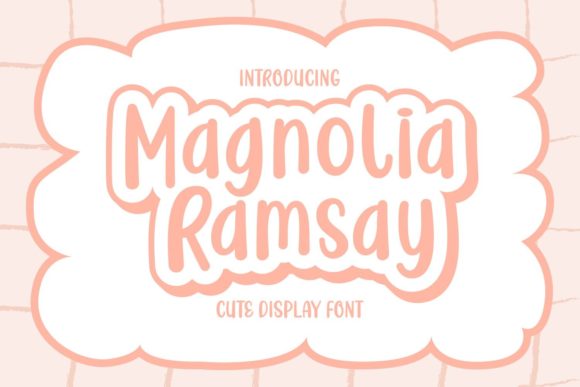
In a digital landscape saturated with rigid grids and sterile sans-serifs, finding a typeface that balances approachability with high-end style can feel like searching for a needle in a haystack. This is where Magnolia Ramsay steps in as a transformative element for your design workflow. It is not merely a collection of characters; it is a friendly and trendy display font designed to inject personality into projects without sacrificing readability or professional polish.
Whether you are a small business owner crafting a brand identity, a blogger looking to increase reader engagement, or an educator creating materials that resonate with students, the right typography acts as the silent ambassador of your message. Magnolia Ramsay offers a distinct visual voice that suggests warmth and modernity simultaneously. Its unique character allows it to transcend specific niches, making it a versatile tool for anyone aiming to elevate their visual communication.
Why Typography Choices Impact Your Results
Many professionals underestimate the psychological weight of typography. The fonts you select do more than just convey text; they set the emotional tone before a single word is read. A cold, geometric font might signal efficiency but can also create distance, while a handwritten script might feel personal but lack authority. Magnolia Ramsay occupies a sweet spot in this spectrum. By combining the structural integrity of a display font with the inviting curves of a friendly typeface, it bridges the gap between corporate professionalism and creative flair.
For marketers and entrepreneurs, this distinction is critical. When launching a new product or service, the goal is often to build trust quickly. Using a font that feels too generic can make a brand blend into the background, whereas a font that feels too chaotic can confuse the audience. Magnolia Ramsay provides a sense of curated trendiness that signals you are current and attentive to detail. This subtle cue can enhance user retention on landing pages or increase the perceived value of a printed brochure.
Enhancing Brand Identity with Personality
Building a cohesive brand identity requires consistency across all touchpoints, from social media graphics to physical packaging. Magnolia Ramsay serves as a wonderful asset to your font library because it possesses the potential to enhance any creation with a consistent yet adaptable style. Unlike display fonts that scream for attention and dominate every layout, Magnolia Ramsay invites the viewer in.
Consider a scenario where a lifestyle blogger is designing a newsletter. The content is intimate and conversational. If the header uses a standard Arial or Helvetica, the visual hierarchy might feel disjointed from the body text. Switching to Magnolia Ramsay for headlines creates an immediate connection. It tells the reader, "This content is tailored for you." This simple shift can lead to higher open rates and longer reading times, as the typography itself contributes to the narrative flow.
- Visual Consistency: Use Magnolia Ramsay to unify disparate marketing assets, ensuring your logo, ads, and web headers share a common DNA.
- Trend Awareness: Because it is described as trendy, using this font signals that your brand is aware of current design movements without resorting to fleeting gimmicks.
- Emotional Connection: The friendly nature of the font reduces cognitive load, making information easier to process and more enjoyable to consume.
Practical Applications for Diverse Professionals
The versatility of Magnolia Ramsay makes it suitable for a wide array of use cases. It is not limited to one industry or one medium. Its robust design supports both large-scale displays and smaller, detailed elements, provided the context is appropriate.
For Educators and Content Creators
Educators and trainers often struggle to keep materials engaging. Textbooks and slide decks can become monotonous, leading to disengagement. Incorporating Magnolia Ramsay into presentation slides, worksheets, or educational videos can break up the monotony of standard academic fonts. The friendly aesthetic helps lower the anxiety associated with complex topics, making learning environments feel more welcoming. For example, a workshop facilitator could use this font for handouts to create a relaxed atmosphere that encourages participation.
For Freelancers and Agencies
Freelance designers and agency owners need tools that allow them to pivot quickly between client styles. While some clients demand minimalism, others crave bold statements. Magnolia Ramsay offers a middle ground. It can be paired effectively with clean, minimalist sans-serifs to provide contrast without clashing. When pitching a concept to a client who wants a "modern yet warm" vibe, having Magnolia Ramsay ready in your toolkit demonstrates foresight and preparation. It saves time during the conceptualization phase by providing a strong starting point for mood boards.
For Small Business Owners
Small business owners often wear many hats, including graphic designer. They need resources that look professional even if they lack extensive design training. Magnolia Ramsay simplifies this decision-making process. Instead of spending hours tweaking kerning or selecting from obscure libraries, a pre-designed, well-balanced font like this ensures that menus, flyers, and signage look polished. The font's inherent balance means that even with minimal adjustments, the final output maintains a high standard of quality.
Strategic Considerations and Limitations
While Magnolia Ramsay is a powerful addition to a design arsenal, it is important to apply it with strategic intent. Not every project requires a display font, and overusing personality-driven typefaces can dilute a brand's message. The key lies in knowing when to let the font shine and when to step back.
One limitation to consider is legibility at very small sizes. As a display font, its primary strength lies in headlines, titles, and short phrases. Using it for long-form body copy, such as legal contracts or dense technical manuals, may hinder readability due to the unique shapes of the characters. In these scenarios, it is best practice to pair Magnolia Ramsay with a highly legible, neutral sans-serif or serif font. This pairing strategy maximizes the strengths of both typefaces: the charm of the display font and the clarity of the functional font.
Additionally, users should evaluate the specific weight and variations available within the font family. Some trendy fonts come with a limited range of weights, which can restrict design flexibility. Before committing to a full project, test Magnolia Ramsay in various contexts to ensure it renders correctly across different devices and screen resolutions. This due diligence ensures that the friendly and trendy appeal remains intact whether viewed on a mobile phone or a large-format print banner.
Integrating Magnolia Ramsay into Your Workflow
To truly leverage the potential of Magnolia Ramsay, integrate it into your design system early. Do not treat it as an afterthought or a decorative add-on. Instead, define clear rules for its usage. For instance, establish that it will always be used for primary headings in blog posts or main calls-to-action on websites. By creating these guidelines, you ensure that the font strengthens your communication rather than distracting from it.
This structured approach supports creativity by removing the guesswork from every new project. When you have a trusted font like Magnolia Ramsay readily available, you spend less time debating type choices and more time focusing on content strategy and visual composition. This efficiency is invaluable for busy professionals who need to deliver high-quality results under tight deadlines.
Ultimately, the goal of any design choice is to facilitate better communication. Magnolia Ramsay achieves this by offering a visual language that is both contemporary and accessible. Whether you are trying to sell a product, teach a lesson, or simply express a creative idea, this font provides the perfect vessel for your message. By understanding its strengths and respecting its limitations, you can transform ordinary creations into memorable experiences that resonate with your audience.