Injecting Joy into Professional Identity: Why Don't Worry Be Happy is Reshaping Creative Workflows
In an era where digital saturation often leads to consumer fatigue, the demand for authenticity and emotional connection has never been higher. Professionals, creators, and entrepreneurs are increasingly realizing that their visual identity must do more than just convey information; it must evoke a feeling. This shift in expectation has brought specific typefaces back into the spotlight, particularly those that balance approachability with distinct character. Among these, Don't Worry Be Happy stands out as a prime example of how typography can serve as a strategic asset rather than merely a decorative element.
While the name might initially suggest a casual or whimsical choice, the application of this font extends far beyond simple decoration. It represents a broader movement in design toward human-centric interfaces and brands that prioritize well-being and positivity. For freelancers and marketing teams looking to differentiate their services in a crowded marketplace, understanding the nuances of fonts like Don't Worry Be Happy is essential for crafting compelling narratives.
Defining the Character of a Quirky Display Font
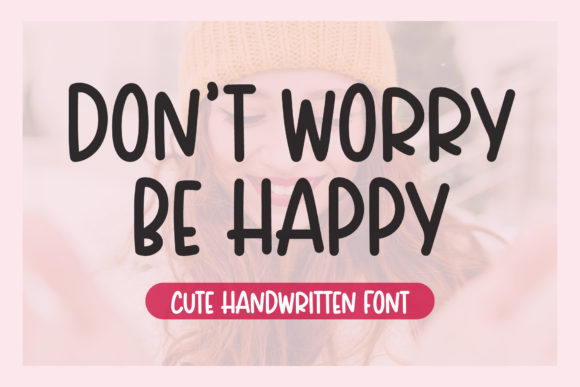
To understand the utility of Don't Worry Be Happy, one must first look at its physical characteristics. Unlike traditional serif or sans-serif typefaces that aim for neutrality and readability across vast amounts of text, this is a display font designed to make a statement. As described by its creators, it is a cute and friendly display font that is playful and a little bit quirky. These adjectives are not just aesthetic descriptors; they are functional instructions for the viewer's eye.
The "cute" aspect suggests approachability, lowering the barrier to entry for potential customers who might feel intimidated by corporate rigidity. The "friendly" tone implies trustworthiness, while the "quirky" nature signals creativity and a willingness to think outside the box. When you use this font, you are immediately setting a psychological context for your audience. You are telling them that the brand behind the message is human, relatable, and perhaps a bit unconventional.
- Cute: Creates an immediate sense of warmth and safety.
- Friendly: Establishes a non-threatening, inclusive atmosphere.
- Playful: Suggests innovation and a lack of fear regarding experimentation.
- Quirky: Differentiates the brand from competitors using standard industry templates.
This combination makes Don't Worry Be Happy perfect for all of your logos, branding, posters, and crafty DIY projects. However, its utility goes deeper into the realm of professional communication. In a world dominated by sterile, minimalist designs, a font with personality offers a necessary counterbalance.
Aligning Typography with the Well-Being Economy
The rising popularity of fonts like Don't Worry Be Happy is not coincidental; it is a direct reflection of shifting consumer trends. We are currently witnessing a significant pivot in the lifestyle and business sectors toward mental health awareness and work-life balance. Consumers are no longer satisfied with products that promise efficiency alone; they want brands that align with their values and contribute to their happiness.
For marketers and entrepreneurs, this presents a unique opportunity. By incorporating a typeface that explicitly references happiness and worry-free living, businesses can tap into the collective desire for stress relief. This is particularly relevant for industries such as wellness, education, childcare, and creative services. When a logo or a poster utilizes Don't Worry Be Happy, it acts as a subtle psychological cue, suggesting that the customer's experience will be positive, easy, and enjoyable.
This trend connects to larger developments in technology and user experience (UX) design. As artificial intelligence and automation handle more routine tasks, the human touch becomes the premium differentiator. A font that feels hand-drawn or distinctly personal reinforces the idea that there is a real person behind the screen or the product. It humanizes the digital interaction, making the brand feel less like a corporation and more like a community.
Strategic Applications for Professionals and Creators
How does this translate to practical workflows? For freelancers and small business owners, time is a scarce resource. Creating a brand identity from scratch can be daunting, but selecting the right typography can accelerate the process. Don't Worry Be Happy serves as a versatile tool that can unify various aspects of a brand without requiring complex design systems.
Consider the needs of a graphic designer launching a new portfolio site. Using this font for headlines can instantly communicate their style—likely colorful, energetic, and innovative. For a marketer running a social media campaign, the font can be used to create eye-catching graphics that stop the scroll. In a feed filled with polished, high-production content, something slightly quirky and authentic often performs better because it feels genuine.
- Logo Design: Use the font to create a memorable mark for boutique agencies, coffee shops, or craft stores. The playful nature ensures the logo is memorable and shareable.
- Event Branding: For workshops, webinars, or community meetups, posters featuring Don't Worry Be Happy can reduce anxiety about attending. It sets a tone of inclusivity and fun.
- Digital Marketing: Incorporate the font into email headers or newsletter subject lines to increase open rates by promising a lighthearted reading experience.
- Product Packaging: For DIY enthusiasts and small-batch manufacturers, this font adds a handmade quality that resonates with consumers seeking artisanal goods.
The versatility of the font allows it to adapt to various contexts while maintaining its core identity. Whether it is printed on a flyer or displayed on a mobile screen, the legibility remains strong enough to convey the message while the style delivers the emotion.
Navigating the Balance Between Fun and Function
However, the adoption of such a distinctive font requires strategic foresight. While Don't Worry Be Happy is excellent for display purposes, professionals must exercise judgment regarding its usage in body text. The "quirky" nature of the letters may reduce readability if overused in long-form content. The key lies in contrast. By pairing this playful font with a clean, neutral sans-serif for detailed information, designers can create a hierarchy that guides the reader effectively.
This approach mirrors the changing expectations of modern audiences. Users expect brands to be bold and expressive but also clear and efficient. They want to feel engaged without being overwhelmed. By using Don't Worry Be Happy strategically—for headlines, calls to action, and key messaging—creators can capture attention while relying on more traditional typefaces to deliver the necessary details. This hybrid workflow ensures that the brand remains accessible and professional, even when embracing a fun aesthetic.
Furthermore, this balance reflects the evolving nature of remote work and digital collaboration. Teams working remotely often rely on shared assets and guidelines to maintain consistency. A font with a clear personality helps remote teams establish a cohesive culture quickly. It becomes a visual shorthand for the company's values, reinforcing the idea that work can be productive without being grim.
The Future of Expressive Typography in Business
Looking ahead, the role of expressive typography in business is poised to grow. As AI-generated content floods the internet, the value of human-curated, emotionally resonant design will only increase. Fonts like Don't Worry Be Happy offer a tangible way for brands to assert their humanity in a digital landscape. They provide a vehicle for storytelling that transcends language barriers, communicating joy and optimism through shape and form alone.
For entrepreneurs and creatives, the lesson is clear: your visual identity is a conversation starter. Choosing a font that embodies the spirit of "Don't Worry Be Happy" is not just an aesthetic choice; it is a philosophical stance. It declares that your brand prioritizes the well-being of its customers and employees. In a market that is often saturated with urgency and stress, offering a moment of calm and cheerfulness is a powerful competitive advantage.
As you embark on your next branding project, consider the emotional impact of your typographic choices. Explore how a cute and friendly display font can transform your logos, posters, and crafty DIY projects into tools of connection. By integrating Don't Worry Be Happy thoughtfully into your workflow, you align yourself with a forward-looking approach to design—one that values joy, authenticity, and the human experience above all else.
Ultimately, the success of any brand depends on its ability to resonate with its audience. When you choose a font that speaks directly to the heart, you create a lasting impression that goes beyond the transaction. You build a relationship based on shared values and positive emotions. In the grand scheme of things, that is the most effective strategy for sustainable growth.
Whether you are a seasoned marketer refining your agency's look or a freelancer starting your own venture, remember that typography is more than just words on a page. It is the voice of your brand. Make sure that voice is one that your audience wants to hear. With Don't Worry Be Happy, you have a tool that invites them in, smiles at them, and assures them that everything is going to be okay.